
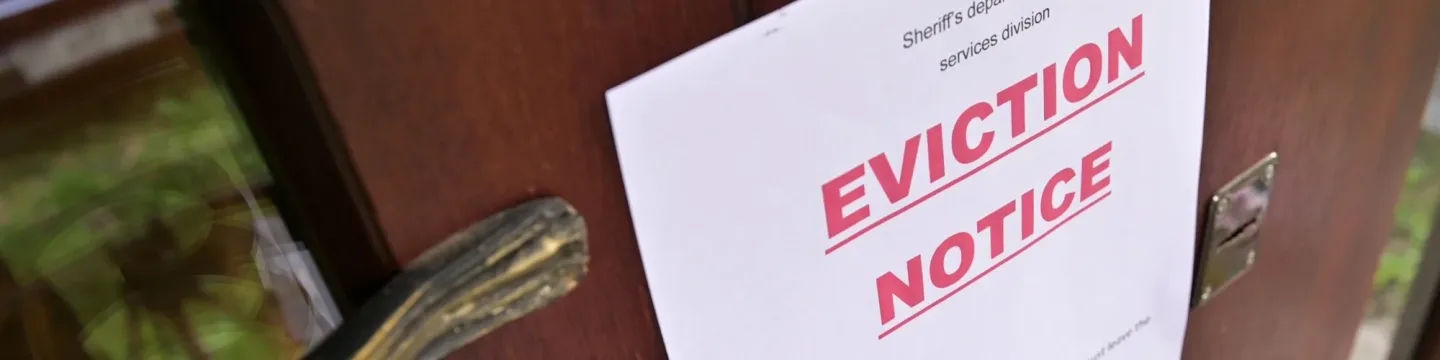
Did you know landlords can evict tenants without giving a reason? It’s called a Section 21 notice or a no-fault eviction. Once issued, renters have just eight weeks to leave their homes.
Every day, around 500 renters lose their homes through no fault of their own. And since 2019, when the Government first promised to end Section 21, over 84,000 households have faced homelessness because that promise still hasn’t been kept.
Why no-fault evictions need to end
No-fault evictions have created a housing system built on fear and instability. Across England and Wales, more than five million people rent their homes privately – and every one of them deserves to feel safe, secure and heard.
Without proper protection, renters stay silent about unsafe homes because speaking up could cost them their tenancy. A quarter of private renters in England say they fear losing their home if they ask for repairs. For those on lower incomes, that often means staying silent and staying in unsafe homes because they simply can’t afford to move.
In London, where rents continue to soar, the situation is even harder. Many people are being priced out of their neighbourhoods or forced to accept poor-quality housing. Around one in ten London households now live in homes that don’t meet basic standards.
That’s why the Renters’ Rights Bill and the end of Section 21 are long overdue.
 500
renters receive a Section 21 every day in England
500
renters receive a Section 21 every day in England
What is the Renters’ Rights Bill?
The Renters’ Rights Bill marks the biggest shake-up to renting in decades – giving renters more security, stability and, most importantly, a stronger voice in their own homes.
Here’s what’s changing:
- No more no-fault evictions. One of the biggest causes of homelessness will end. Renters will no longer lose their homes without reason, giving people the security to plan ahead and speak up about their homes.
- Safer, healthier homes. Private landlords will be held more accountable for the condition of their properties. Awaab’s Law will apply to private rentals, meaning issues like damp and mould must be fixed within strict timeframes.
- Fairer rents: Rent increases will be limited to once a year, with at least two months’ notice. Rent review clauses will be banned, so tenants know where they stand.
- Fair access for everyone. Landlords won’t be able to turn people away just because they have children or receive benefits. Everyone deserves a fair chance to find a home.
- Flexible tenancies. All new and existing tenancies will become monthly agreements. Renters will have more freedom to move when they need to, while needing to give two months’ notice.
- Lower upfront costs: Landlords can only ask for one month’s rent in advance, helping people secure homes without facing impossible upfront payments.
- More transparency. A new digital Property Portal will help landlords understand their legal responsibilities and stay compliant – while giving renters the information they need to make confident, informed choices.
- Pets welcome. Landlords must properly consider requests for pets and can only refuse with a good reason – helping renters make their house a real home.
The Bill also includes fair protections for responsible landlords. They’ll have stronger grounds to regain their property if tenants break agreements or if their own circumstances change – for example, needing to sell or move back in.
Where is the Bill now?
The Renters’ Rights Bill gained Royal Assent in October – the final step where the monarch formally agrees to a bill passed by Parliament. It’s a huge milestone for renters’ rights across the country.
But it’s not in effect just yet. The Government will bring the new laws into force on 1 May 2026.
Everyone deserves a safe and secure place to call home.

Follow us on social media